
Notice: Undefined offset: 0 in /home/a1188469/domains/yevent.org/public_html/wp-content/themes/yevent/template-parts/content-post.php on line 41
Notice: Undefined index: open_map_option in /home/a1188469/domains/yevent.org/public_html/wp-content/plugins/yamaps/yamap.php on line 199
Notice: Undefined index: authorlink_map_option in /home/a1188469/domains/yevent.org/public_html/wp-content/plugins/yamaps/yamap.php on line 251
 Furthermore, Aloe Vera serums are excellent for all skin types. For more details, aloe vera gel freedom benefits, which may be helpful. Whether you have oily, dry, or combination skin, Aloe Vera’s gentle nature ensures that it delivers the necessary hydration without clogging pores or causing breakouts. This versatility makes it a popular choice among consumers who are often hesitant about trying new products due to their specific skin concerns. The lightweight formula of Aloe Vera serums allows for easy absorption, leaving the skin feeling refreshed and revitalized.
 How long does it take to see results?
Many users report visible improvements in their skin within just 14 days of consistent use. Results may vary based on individual skin types and conditions, so patience is key.
 The table above highlights key ingredients commonly found in Aloe Vera serums, along with their respective benefits and suitability for different skin types. This information assists consumers in making informed choices based on their specific skin concerns.
Understanding the underlying causes of large pores is essential for effective treatment. Factors such as oily skin, aging, and environmental pollutants can all contribute to enlarged pores, leading many to seek remedies that offer both immediate and long-lasting results. Aloe Vera, with its rich composition of vitamins, minerals, and antioxidants, provides a holistic approach to skincare that addresses these issues head-on. In this article, we will examine the effectiveness of Aloe Vera Serum, how it works, and the transformative results you can expect from consistent use over a two-week period.
Can Aloe Vera Serum be used on all skin types?
Yes, Aloe Vera Serum is suitable for all skin types, including oily, dry, and sensitive skin. Its lightweight, non-greasy formula makes it an excellent option for those prone to breakouts or irritation.
How to Incorporate Aloe Vera Serum into Your Skincare Routine
To maximize the benefits of Aloe Vera Serum, incorporating it into your daily skincare routine is essential. Start by cleansing your face thoroughly to remove any makeup, dirt, or impurities. A clean canvas allows the serum to penetrate effectively and deliver its benefits. Following cleansing, apply a toner to prepare your skin for better absorption of the serum.
The Benefits of Aloe Vera for Skin Health
Aloe Vera is often hailed as a miracle plant due to its numerous benefits for skin health. Its primary active compounds, including vitamins A, C, and E, as well as various enzymes, provide a multitude of advantages that can significantly benefit the skin. One of the most remarkable properties of Aloe Vera is its ability to hydrate the skin without leaving a greasy residue, making it suitable for all skin types, especially oily and combination skin.
Are there any side effects of using Aloe Vera Serum?
While Aloe Vera is generally safe for most individuals, some may experience allergic reactions. It is advisable to perform a patch test before extensive application, especially if you have sensitive skin or a history of allergies.
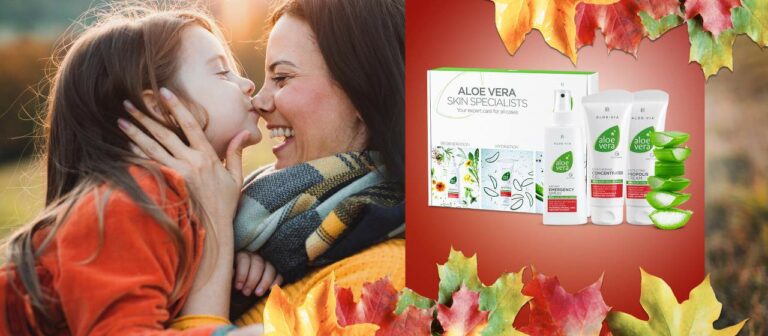 In the quest for glowing, youthful skin, many individuals often find themselves overwhelmed by the plethora of skincare products available today. Among these, Aloe Vera serums have gained a remarkable reputation for their ability to enhance complexion and promote an even skin tone. The natural properties of Aloe Vera are not only soothing but also packed with nutrients that can help repair, hydrate, and rejuvenate the skin, making it an ideal choice for those seeking effective and gentle solutions. With more consumers turning to natural ingredients, the demand for Aloe Vera-based products continues to rise, reflecting a broader trend towards holistic health and wellness in skincare.
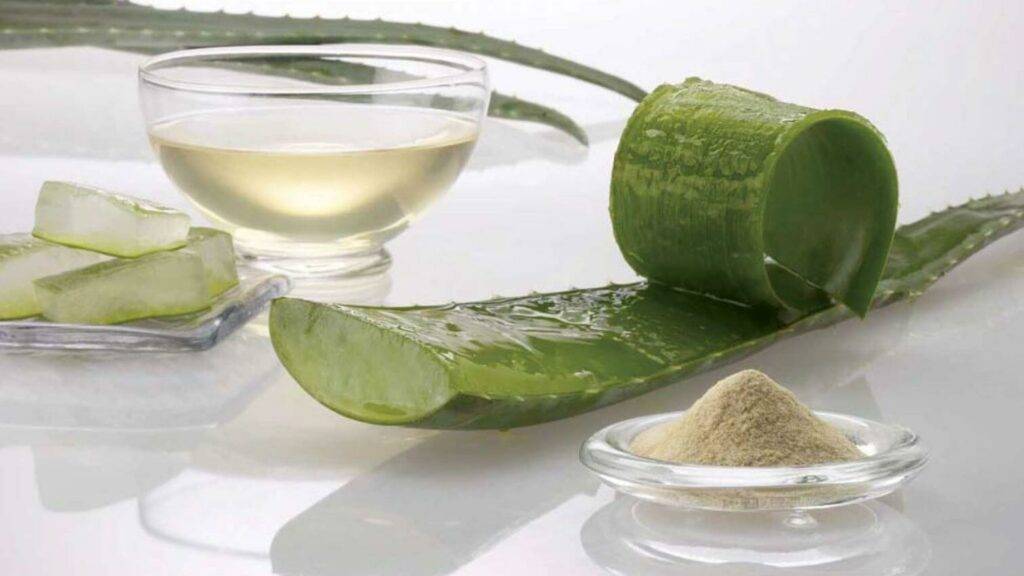 Utilizing a travel toiletry bag can help keep your products organized and protected. For more details, aloe vera gel freedom benefits, which may be helpful. Choose a bag with compartments to separate your lotions and other liquids from solid items. This will not only make it easier to find what you need but also minimize the risk of cross-contamination.
Moreover, hormonal changes, particularly those related to puberty, menstruation, or pregnancy, can influence oil production and pore size. When the body experiences hormonal fluctuations, it can trigger an increase in sebum production, leading to clogged pores and the dreaded enlarged appearance. By addressing these underlying issues, Aloe Vera Serum can play a pivotal role in restoring balance and enhancing skin health.
Frequently Asked Questions
What is the best way to incorporate Aloe Vera serums into my skincare routine?
The best way to incorporate Aloe Vera serums is to apply them after cleansing and toning your skin. Use the serum morning and night for optimal benefits, and always follow with a moisturizer to seal in hydration. Consistency is key to achieving desired results.
Best Practices for Storing Aloe Vera Skincare
To maximize the shelf life of your aloe vera skincare products, adhere to the following best practices. First, keep your products in a cool, dark place, preferably in the refrigerator if possible. This environment helps maintain the integrity of the active compounds in aloe vera. Second, always ensure that the containers are tightly sealed to minimize exposure to air and moisture.