
Notice: Undefined offset: 0 in /home/a1188469/domains/yevent.org/public_html/wp-content/themes/yevent/template-parts/content-post.php on line 41
Notice: Undefined index: open_map_option in /home/a1188469/domains/yevent.org/public_html/wp-content/plugins/yamaps/yamap.php on line 199
Notice: Undefined index: authorlink_map_option in /home/a1188469/domains/yevent.org/public_html/wp-content/plugins/yamaps/yamap.php on line 251
Additionally, consider products that include added antioxidants, such as vitamins C and E, which not only enhance sun protection but also promote overall skin health. Such formulations can help combat oxidative stress caused by sun exposure, making them even more beneficial for acne-prone skin.
 4. Aloe Vera Gel: Pure Aloe Vera gel can be used as a pre-swim treatment. Apply it to your hair and scalp before entering the pool to create a barrier against chlorine. Alternatively, it can be used as a styling product post-swim to help tame frizz and add moisture.
For optimal results, it is recommended to use the moisturizer at least 15-30 minutes before sun exposure to allow the ingredients to absorb effectively. Reapplication is equally important; for those spending time outdoors, reapply every two hours, or more frequently if sweating or swimming. Don’t forget to apply the moisturizer to often-overlooked areas such as the neck, ears, and the back of the hands, which are also susceptible to sun damage.
 1. Aloe Vera and Coconut Oil Mask: Combine ¼ cup of Aloe Vera gel with 2 tablespoons of coconut oil. Mix well and apply to your hair, focusing on the ends. Leave the mask on for 30 minutes before rinsing. This treatment provides deep hydration and helps combat the drying effects of chlorine.
Are there any side effects of using aloe vera gel for dry skin Vera on hair?
While Aloe Vera is generally safe for most people, some individuals may experience allergic reactions. It is advisable to perform a patch test before applying it extensively to your hair or scalp.
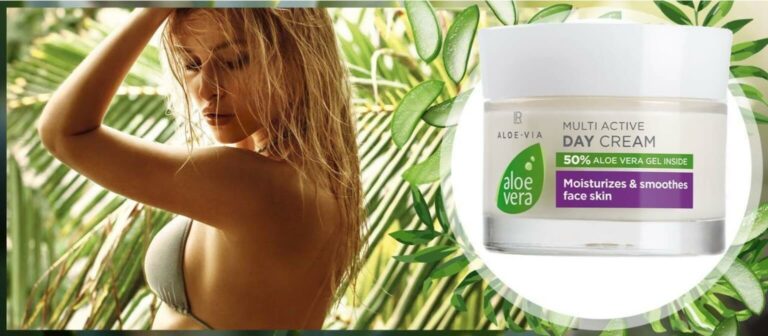
Moreover, studies have shown that sun exposure can trigger inflammatory responses in the skin, making existing acne more pronounced. This is particularly concerning for those with sensitive skin, as sunburns can aggravate the condition, leading to further irritation and breakouts. This highlights the need for a sunscreen that is specifically formulated to cater to acne-prone skin, where Aloe Vera SPF moisturizers shine through with their unique blend of ingredients.
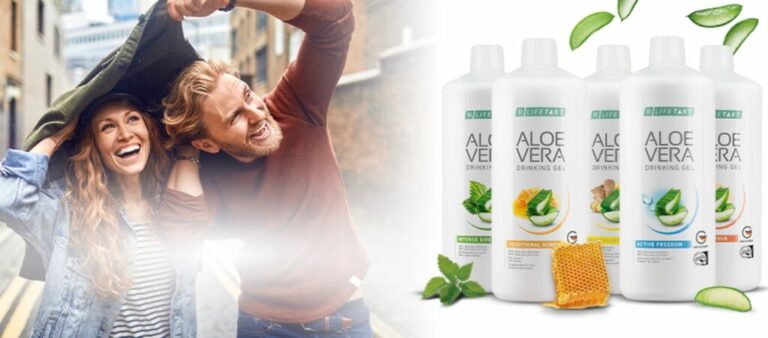
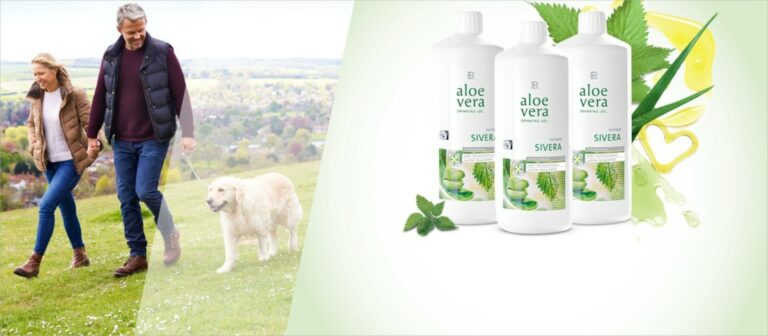
In weighing the pros and cons of Aloe Vera drinks, it’s evident that the benefits often outweigh the drawbacks, especially when choosing high-quality products. The hydration, natural ingredients, and skin healing properties make Aloe Vera a compelling addition to any skincare routine. However, being mindful of potential digestive issues and ensuring quality can help consumers make informed decisions about their health and wellness.
 When examining the pros and cons of Aloe Vera SPF moisturizers, it is clear that the benefits often outweigh the drawbacks. While some individuals may have sensitivities to Aloe Vera, the majority find that these products provide essential hydration and sun protection without exacerbating acne. As with any skincare product, it is vital to choose quality formulations and to consider personal skin sensitivities when making selections.
The Science Behind Aloe Vera and Hair Health
Aloe Vera is not just a trendy ingredient; it is backed by scientific research that highlights its numerous benefits for hair health. The gel extracted from Aloe Vera leaves is rich in polysaccharides, which help in retaining moisture and ensuring that hair remains hydrated. This property is crucial, especially for individuals with dry or damaged hair, as it aids in restoring lost moisture and enhancing overall hair texture. Furthermore, Aloe Vera contains enzymes that promote healthy hair growth by stimulating blood circulation in the scalp.
 Additionally, consider the specific needs of your hair type when choosing a serum. Some formulations may be specifically designed for curly hair, while others may cater to straight or fine hair. Reading product reviews and seeking recommendations from trusted sources can also help you find the right match for your hair. A little research goes a long way in ensuring that you choose a serum that will deliver the desired results without compromising hair health.
When applied, the cream penetrates the skin, providing instant hydration while also creating a protective barrier against moisture loss. The anti-inflammatory properties of Aloe Vera help to alleviate puffiness and reduce the appearance of dark circles, making the eyes look brighter and more awake. Regular use can lead to significant improvements in skin texture and firmness, enhancing the overall appearance.
 3. Aloe Vera Scalp Treatment: For a soothing scalp treatment, blend ¼ cup of Aloe Vera gel with a few drops of tea tree oil. Apply directly to your scalp and massage gently. This will help relieve any irritation caused by chlorine and promote a healthy scalp environment.