
Notice: Undefined offset: 0 in /home/a1188469/domains/yevent.org/public_html/wp-content/themes/yevent/template-parts/content-post.php on line 41
Notice: Undefined index: open_map_option in /home/a1188469/domains/yevent.org/public_html/wp-content/plugins/yamaps/yamap.php on line 199
Notice: Undefined index: authorlink_map_option in /home/a1188469/domains/yevent.org/public_html/wp-content/plugins/yamaps/yamap.php on line 251
 How to Use Aloe Vera for Scar Reduction
Applying aloe vera for scar reduction can be simple and effective when done correctly. To start, it’s essential to use pure, natural aloe vera gel, whether extracted directly from the plant or purchased from a reputable source. For those using fresh aloe vera, cut a leaf from the plant and scoop out the gel. This method ensures that you are using the most potent form of the product, free from additives that could irritate the skin.
How long does it take to see results from Aloe Vera serums?
The timeline for seeing results from Aloe Vera serums can vary. Many users report visible improvements within a few weeks, but for optimal results, consistent use over several weeks or months may be necessary, depending on individual skin conditions.
 How to Choose the Right Aloe Vera Drink
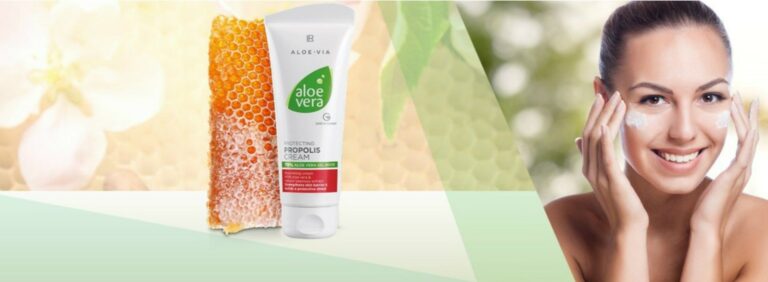
With the market flooded with various Aloe Vera drinks, it can be daunting to find the right one. When selecting an Aloe Vera beverage, it’s vital to look for brands that prioritize quality and transparency. Always check the ingredient list; the best Aloe Vera drinks contain a high percentage of pure Aloe Vera gel, night cream preferably with no added sugars or artificial preservatives. Influencers often recommend products that are organic and sourced from reputable brands to ensure that consumers are receiving the full benefits of Aloe Vera.
In addition to these tips, consider incorporating Aloe Vera into your post-swim hair care routine. Regularly using Aloe Vera products will help maintain moisture levels and improve your hair’s texture over time. Consistency is key when it comes to achieving the best results and ensuring your hair remains healthy and vibrant, even with frequent swimming.
Aloe vera is more than just a soothing gel for sunburns; it is a powerhouse of nutrients that may combat the signs of aging. Packed with vitamins, minerals, and antioxidants, aloe vera supports skin hydration, elasticity, and healing, making it a popular choice in many skincare routines. With an increasing number of products featuring this plant as a key ingredient, it is crucial to discern the actual proven benefits of aloe vera for anti-aging, separating myth from reality.
Another expert, Dr. John Doe, emphasizes the importance of a comprehensive skincare routine in conjunction with aloe vera. «Using aloe vera as part of a broader approach, including sun protection and moisturizing, can enhance its effectiveness,» he notes. This holistic view underscores the fact that while aloe vera is beneficial, it should not be the sole focus in scar management.
When ingested, Aloe Vera is believed to improve skin hydration and elasticity, contributing to a smoother and more youthful appearance. A study published in the Journal of Dermatological Treatment found that participants who consumed Aloe Vera beverages experienced significant improvements in skin hydration and elasticity compared to those who did not. This finding suggests that Aloe Vera drinks can play a crucial role in enhancing overall skin health from the inside out. Influencers frequently highlight these benefits in their reviews, often noting how consistent consumption of Aloe Vera drinks has led to noticeable changes in their skin texture and glow.
As the demand for natural skincare products rises, athletes are increasingly turning to aloe vera-based lotions to combat the effects of intense physical activity. Not only do these products offer relief from heat and inflammation, but they also promote skin hydration and overall skin health. With countless options available on the market, understanding the unique features of each lotion can help you make informed decisions that align with your wellness goals. This article aims to guide you through the top selections, ensuring you find the perfect aloe vera lotion to support your athletic endeavors.
Finally, pay attention to how your skin reacts to different products. Every athlete has unique skin types, and what works for one individual may not work for another. Keep track of any reactions and adjust your product choices accordingly. This will help you find the best aloe vera lotion suited to your specific needs.
The Science Behind Aloe Vera’s Skin Benefits
Aloe Vera, often dubbed the «plant of immortality,» has been utilized for centuries due to its therapeutic properties. The gel extracted from its leaves is packed with bioactive compounds like polysaccharides, vitamins A, C, and E, and minerals such as zinc and magnesium. These components have been shown to possess antioxidant, anti-inflammatory, and antimicrobial properties, making Aloe Vera an effective remedy for various skin conditions. Studies have highlighted that the topical application of Aloe Vera can soothe sunburns, reduce acne, and promote wound healing, but its consumption as a drink is gaining traction for internal health.
 The Science Behind Aloe Vera’s Healing Properties
Aloe vera is not just a pretty plant; its medicinal properties have been recognized for centuries. The gel found within its leaves is rich in polysaccharides, which are known for their ability to retain moisture and promote skin healing. When applied topically, aloe vera can help reduce inflammation, making it an ideal choice for athletes suffering from muscle soreness or heat rash. According to studies, the anti-inflammatory properties of aloe vera can significantly reduce pain and swelling, allowing for quicker recovery times.