

Notice: Undefined offset: 0 in /home/a1188469/domains/yevent.org/public_html/wp-content/themes/yevent/template-parts/content-post.php on line 41
Notice: Undefined index: open_map_option in /home/a1188469/domains/yevent.org/public_html/wp-content/plugins/yamaps/yamap.php on line 199
Notice: Undefined index: authorlink_map_option in /home/a1188469/domains/yevent.org/public_html/wp-content/plugins/yamaps/yamap.php on line 251
Despite its benefits, some parents may have concerns regarding the use of zinc oxide in diaper creams. While generally safe, excessive use can lead to skin drying or an altered skin barrier. Therefore, it is crucial for parents to use these products as directed and consult with healthcare professionals if they notice any adverse reactions in their babies.
Furthermore, Aloe Vera contains compounds such as polysaccharides, which promote skin hydration and healing. This is crucial not only for treating existing acne but also for preventing future outbreaks. Users have found that applying Aloe Vera Face Gel regularly can not only soothe inflamed skin but also create a protective barrier that helps to keep skin healthy and moisturized. Additionally, the gel has a cooling effect that can provide immediate relief for irritated skin, making it a comforting option for those dealing with painful acne.
Additionally, the quality of the Aloe Vera product matters significantly. Consumers should look for gels that contain a high concentration of pure Aloe Vera and minimal synthetic additives. Reading ingredient labels and choosing reputable brands can help ensure that the product delivers the desired benefits without harmful side effects.
Next, apply your chosen aloe vera cleanser. Whether you opt for a gel, foam, or cream, ensure that you massage it into your skin using circular motions. This not only aids in the cleansing process but also promotes improved circulation. Rinse off the cleanser with lukewarm water, and pat your skin dry with a clean towel.
1. Aloe Vera Gel Cleanser – This lightweight gel cleanser is infused with pure aloe vera extract, making it perfect for sensitive skin. It’s designed to gently cleanse without stripping moisture, leaving your skin feeling refreshed and hydrated. With its non-comedogenic formula, it effectively removes makeup and impurities while soothing irritation.
The growing demand for aloe vera eye creams can be attributed to several factors, including the ingredient’s natural healing properties and its versatility in addressing various skin concerns. Many consumers are now aware of the importance of preventative self-care, particularly as they age. Eye creams infused with aloe vera offer a dual benefit: they hydrate the delicate skin around the eyes while also providing soothing relief from irritation or inflammation. As these products gain traction, more people are becoming curious about their effectiveness, leading to a surge in sales across various demographics.
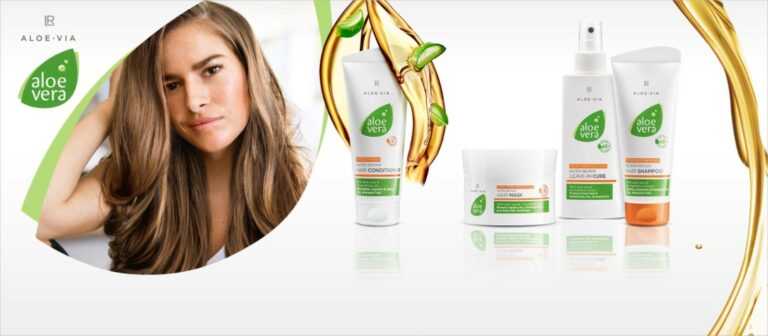 For optimal results, it is recommended to use the moisturizer at least 15-30 minutes before sun exposure to allow the ingredients to absorb effectively. Reapplication is equally important; for those spending time outdoors, reapply every two hours, or more frequently if sweating or swimming. Don’t forget to apply the moisturizer to often-overlooked areas such as the neck, ears, and the back of the hands, which are also susceptible to sun damage.
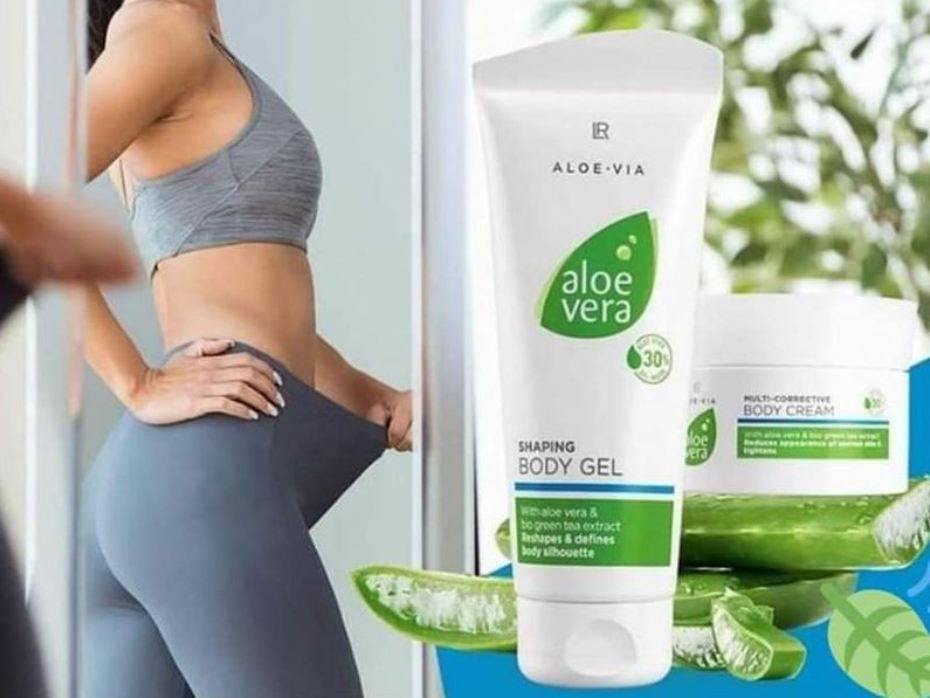 In the quest for radiant skin, many skincare enthusiasts have embraced the double-cleansing routine as a crucial step. For more details, skincare for sensitive combination skin, which may be helpful. This method effectively removes makeup, dirt, and impurities, paving the way for a fresh and clean complexion. Among the myriad of cleansing options available, aloe vera face cleansers stand out for their natural soothing properties and ability to hydrate the skin. Those seeking a gentle yet effective cleansing solution will find that aloe vera not only cleans but also nourishes the skin, making it an ideal component of any double-cleansing regimen.
 Before and After: Real Results with Aloe Vera Face Gel
The effectiveness of Aloe Vera Face Gel can be best understood through real-life testimonials. For more details, skincare for sensitive combination skin, which may be helpful. Many individuals have documented their experiences, showcasing their skin transformations over time. One notable case involved a young woman who struggled with chronic acne for years, leaving her with significant scarring. After incorporating Aloe Vera Face Gel into her skincare routine, she reported not only a dramatic reduction in active breakouts but also a noticeable fading of her red marks within weeks.
The Role of Zinc Oxide in Diaper Creams
Zinc oxide is a common ingredient in many diaper creams due to its protective and healing qualities. It acts as a physical barrier on the skin, preventing moisture from causing irritation. This barrier function is particularly beneficial for babies susceptible to diaper rash, as it helps keep the affected area dry and free from friction. Zinc oxide is also known for its ability to promote healing; it accelerates the recovery of damaged skin and reduces inflammation, making it a valuable addition to any diaper cream.


