
Notice: Undefined offset: 0 in /home/a1188469/domains/yevent.org/public_html/wp-content/themes/yevent/template-parts/content-post.php on line 41
Notice: Undefined index: open_map_option in /home/a1188469/domains/yevent.org/public_html/wp-content/plugins/yamaps/yamap.php on line 199
Notice: Undefined index: authorlink_map_option in /home/a1188469/domains/yevent.org/public_html/wp-content/plugins/yamaps/yamap.php on line 251
 Tips for Using Aloe Vera Hair Masks Effectively
To maximize the benefits of your Aloe Vera hair mask, it’s essential to apply it correctly. Start with clean, damp hair; this helps the mask penetrate better and ensures that you receive the full benefits. Divide your hair into sections to ensure even distribution of the mask. Using your fingers or a brush, apply the mask from the roots to the tips, making sure to coat every strand thoroughly. It’s also beneficial to gently massage the scalp during application, as this can stimulate blood circulation and promote hair growth.
 Understanding the specific needs of children’s skin is essential for parents who want to ensure their little ones enjoy their time in the water without suffering from irritation or dryness. Aloe vera is renowned for its healing properties, making it an ideal ingredient in skincare products aimed at young swimmers. The soothing gel from the aloe plant has been used for centuries to treat sunburns, minor cuts, and dry skin. By incorporating aloe vera into an after-swim cream, parents can help restore moisture and promote skin healing, ensuring their children remain comfortable and carefree.
Frequently Asked Questions
Is aloe vera kids cream safe for all skin types?
Yes, aloe vera kids cream is generally safe for all skin types. However, children with specific allergies or sensitivities should have a patch test conducted before full application to ensure no adverse reactions occur. Always consult with a pediatric dermatologist if unsure.
Despite its benefits, some parents may have concerns regarding the use of zinc oxide in diaper creams. While generally safe, excessive use can lead to skin drying or an altered skin barrier. Therefore, it is crucial for parents to use these products as directed and consult with healthcare professionals if they notice any adverse reactions in their babies.
As we explore the differences between aloe vera diaper creams with zinc oxide and those without, it is essential to examine their ingredients, benefits, and potential drawbacks. This thorough analysis will provide clarity on which option may be the most suitable for your baby and your family’s unique needs.
Common Myths About Aloe Vera
Despite its many benefits, there are common myths surrounding aloe vera that can lead to misunderstandings about its effectiveness. One prevalent myth is that aloe vera is only suitable for those with dry hair. In reality, aloe vera can benefit all hair types, including oily and combination hair. Its ability to balance the scalp’s pH makes it a versatile option for various hair concerns.
When it comes to caring for a baby’s delicate skin, parents are constantly on the lookout for effective and safe products. One popular choice in the realm of skincare is aloe vera diaper cream, known for its soothing properties. However, with a range of options available, particularly those formulated with or without zinc oxide, it can be challenging to determine which is best for your child’s needs. Understanding the differences and benefits of each type can help parents make informed decisions that promote healthy skin while preventing diaper rash.
Conclusion
Incorporating Aloe Vera into your curly hair care routine is a powerful way to enhance the health and appearance of your curls. With its myriad of benefits, including hydration, soothing properties, and natural conditioning effects, Aloe Vera hair masks are an excellent choice for anyone looking to achieve defined, beautiful curls. By leveraging the versatility of Aloe Vera and combining it with other nourishing ingredients, you can customize your hair mask to suit your specific needs, ensuring effective results.
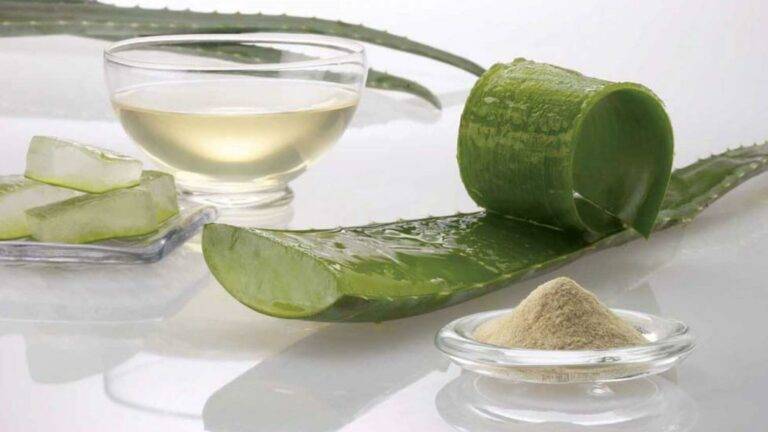 Another notable ingredient in many aloe vera creams is glycerin, a natural humectant that draws moisture into the skin. This ensures that the skin remains hydrated even after exposure to water. Additionally, some formulations may include natural fragrances or essential oils, providing a pleasant scent without the risk of irritation. It is crucial for parents to read ingredient labels carefully to avoid products containing synthetic fragrances or harsh chemicals, which can be detrimental to sensitive skin.
Moreover, many children suffer from skin conditions such as eczema or allergies, which can be exacerbated by harsh products. The use of natural ingredients can help minimize the risk of allergic reactions and skin flare-ups. By opting for products that feature aloe vera and other gentle components, parents can provide effective men’s skincare sale that aligns with their children’s specific needs. Natural products are often better tolerated by sensitive skin, making them an ideal choice for all children.
Can I mix aloe vera body oil with other skincare products?
Absolutely! Aloe vera body oil can be mixed with other products such as moisturizers or essential oils to enhance their benefits and create a personalized skincare routine.