

Notice: Undefined offset: 0 in /home/a1188469/domains/yevent.org/public_html/wp-content/themes/yevent/template-parts/content-post.php on line 41
Notice: Undefined index: open_map_option in /home/a1188469/domains/yevent.org/public_html/wp-content/plugins/yamaps/yamap.php on line 199
Notice: Undefined index: authorlink_map_option in /home/a1188469/domains/yevent.org/public_html/wp-content/plugins/yamaps/yamap.php on line 251
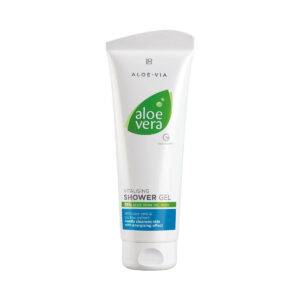 The significance of selecting the right diaper cream extends beyond immediate relief from discomfort. It involves considering long-term skin health and the overall well-being of the child. Aloe vera, a natural plant known for its healing and moisturizing properties, is often a key ingredient in many diaper creams. Parents must weigh the pros and cons of formulations containing zinc oxide against those that rely solely on aloe vera, aiming to find a product that not only soothes but also protects against irritation.
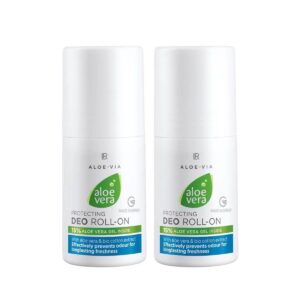 Choosing the Right Aloe Vera Gel
When selecting the perfect aloe vera gel, it’s essential to consider the ingredients and formulation. Look for products that contain a high percentage of pure aloe vera, ideally over 95%. This ensures that you are getting the maximum benefits from the plant. Additionally, be wary of gels that contain added fragrances or alcohol, as these can irritate the skin, especially in a humid climate.
As we journey through life, the quest for youthful, vibrant skin seems to become increasingly important. With a growing awareness of the effects of aging, many individuals are searching for effective, natural solutions to maintain their skin’s health and appearance. Among the plethora of options available, one ingredient has stood out over the years: aloe vera. This remarkable plant, cherished for its soothing properties, has recently gained attention for its potential anti-aging benefits. But what does science say about using aloe vera for skin rejuvenation?
Conclusion
In conclusion, choosing the right aloe vera diaper cream—whether with zinc oxide or without—requires careful consideration of your baby’s specific skin needs. Both options offer unique benefits, from the protective qualities of zinc oxide to the soothing properties of aloe vera. By understanding the ingredients and their effects, parents can make informed decisions that promote healthy skin and prevent diaper rash. Ultimately, the best choice will depend on individual circumstances, including the frequency of diaper rash occurrences and the overall sensitivity of the child’s skin. Armed with this knowledge, parents can confidently select a diaper cream that not only meets their child’s needs but also provides peace of mind in their skincare routine.
How often should I consume Aloe Vera drinking gel?
Consumption frequency can vary based on individual health goals. Many users find that consuming 30-60 ml daily helps them reap the benefits, but it is advisable to start with smaller amounts and adjust based on personal tolerance and preferences.
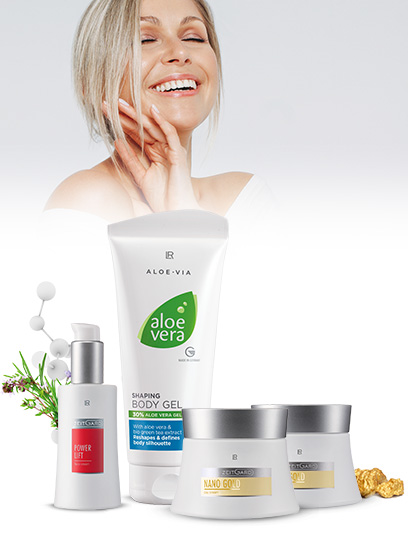 With a variety of options available, you can tailor your choice of aloe vera gel to suit your individual needs and preferences. Whether you’re seeking relief from sunburn or simply want to maintain a youthful glow, aloe vera gels can deliver impressive results. As you embark on your skincare journey, remember the importance of choosing natural ingredients that align with your skin’s needs, and embrace the benefits that aloe vera has to offer.
Moreover, natural formulations can be less likely to cause allergic reactions, making them suitable for more sensitive skin types. Parents often find that their babies experience fewer side effects with these products, as they are free from synthetic fragrances, dyes, and harsh chemicals. However, it is still advisable to perform a patch test before applying any new product extensively.
The Role of Aloe Vera in Skin Hydration
One of the most notable benefits of aloe vera is its ability to hydrate the skin. The gel-like substance extracted from the leaves is composed mostly of water, making it an excellent natural moisturizer. When applied to the skin, aloe vera penetrates deeply, providing hydration without leaving a greasy residue. This is particularly beneficial for individuals with oily or combination skin who may struggle with heavier creams.
 Research has indicated that aloe vera may stimulate fibroblast cells in the skin, which are responsible for collagen production. A study published in the Journal of Ethnopharmacology found that topical application of aloe vera increased collagen synthesis in human skin cells. This suggests that using aloe vera regularly could help to enhance skin elasticity, resulting in firmer and more youthful-looking skin.
Can I use both types of diaper creams interchangeably?
Yes, many parents find success by using both types of creams interchangeably. For instance, using a zinc oxide Face Cream Hydrating for protection during the day and switching to an aloe vera-based cream at night can effectively address various skin concerns.
Comparing Efficacy: Zinc Oxide vs. Aloe Vera Alone
The efficacy of diaper creams containing zinc oxide versus those made solely with aloe vera is often debated among parents and healthcare professionals. Each formulation has its strengths, and the choice ultimately depends on the specific needs of the child. For instance, babies prone to frequent rashes may benefit from the protective barrier offered by zinc oxide. The cream’s ability to shield the skin can be a game-changer in preventing diaper rash before it starts.


