

Notice: Undefined offset: 0 in /home/a1188469/domains/yevent.org/public_html/wp-content/themes/yevent/template-parts/content-post.php on line 41
Notice: Undefined index: open_map_option in /home/a1188469/domains/yevent.org/public_html/wp-content/plugins/yamaps/yamap.php on line 199
Notice: Undefined index: authorlink_map_option in /home/a1188469/domains/yevent.org/public_html/wp-content/plugins/yamaps/yamap.php on line 251
Before discussing the benefits of Aloe Vera Eye Cream, it’s essential to understand what causes tech-induced eye bags. For more details, aloe vera hair care, which may be helpful. Long hours of screen time lead to digital eye strain, which manifests as discomfort, dryness, and puffiness around the eyes. According to research, a staggering 70% of adults report experiencing some symptoms of digital eye strain, which can be exacerbated by poor lighting conditions and inadequate breaks. This condition causes blood vessels around the eyes to dilate and fluids to accumulate, resulting in noticeable dark circles and puffiness.
How to Apply Aloe Vera Kids Cream
Applying aloe vera kids cream properly is essential to ensure maximum benefits for your child’s skin. After swimming, it is best to gently pat the skin dry with a towel instead of rubbing, which can further irritate sensitive areas. Once the skin is dry, a generous amount of the aloe vera cream should be applied to all exposed areas. This includes areas that may have been more susceptible to irritation, such as the face, shoulders, and legs.
Environmental Considerations in Sunscreen Choices
As awareness about environmental issues rises, choosing eco-friendly sunscreens has become increasingly important. Many traditional sunscreens contain chemicals that can harm marine life, particularly coral reefs. Ingredients like oxybenzone and octinoxate have been found to contribute to coral bleaching, prompting some regions to ban their use. This has led to a growing demand for reef-safe sunscreens that are free from harmful chemicals.
Understanding these underlying causes can help individuals take proactive steps toward prevention and treatment. While lifestyle changes, such as taking regular breaks from screens and ensuring proper hydration, are vital, incorporating a high-quality Aloe Vera Eye Cream can provide targeted relief and rejuvenation to the affected area.
 How often should I apply aloe vera kids cream?
For optimal results, apply aloe vera kids cream immediately after swimming and reapply as needed throughout the day, especially after sun exposure. Consistent use can help maintain hydration and protect the skin.
Gently pat the cream around the orbital bone, avoiding direct contact with the eyes. For more details, aloe vera hair care, which may be helpful. This technique ensures that the product is evenly distributed while also stimulating circulation in the area. For best results, it’s advisable to use the cream twice daily, in the morning and evening, to maintain hydration and combat the effects of screen time consistently.
Similarly, John, a 42-year-old teacher, faced issues with dryness and uneven skin texture. He started using an Aloe Vera serum that also contained hyaluronic acid. Within weeks, he observed that his skin felt more hydrated and smooth, with visible improvements in tone and texture. John appreciated how lightweight the serum was, making it easy to incorporate into his busy lifestyle without feeling greasy or heavy.
 Frequently Asked Questions
Is aloe vera kids cream safe for all skin types?
Yes, aloe vera kids cream is generally safe for all skin types. However, children with specific allergies or sensitivities should have a patch test conducted before full application to ensure no adverse reactions occur. Always consult with a pediatric dermatologist if unsure.
 The role of Aloe Vera in skin brightening and tone correction is particularly noteworthy. Studies have shown that the application of Aloe Vera can reduce melanin production, which is responsible for dark spots and uneven skin tone. This natural ability to inhibit pigmentation helps in achieving a more uniform complexion, thereby addressing one of the most common skin concerns among adults. Many users report significant improvements in their skin’s appearance after incorporating Aloe Vera serums into their daily regimen.
 Another notable ingredient in many aloe vera creams is glycerin, a natural humectant that draws moisture into the skin. This ensures that the skin remains hydrated even after exposure to water. Additionally, some formulations may include natural fragrances or essential oils, providing a pleasant scent without the risk of irritation. It is crucial for parents to read ingredient labels carefully to avoid products containing synthetic fragrances or harsh chemicals, which can be detrimental to sensitive skin.
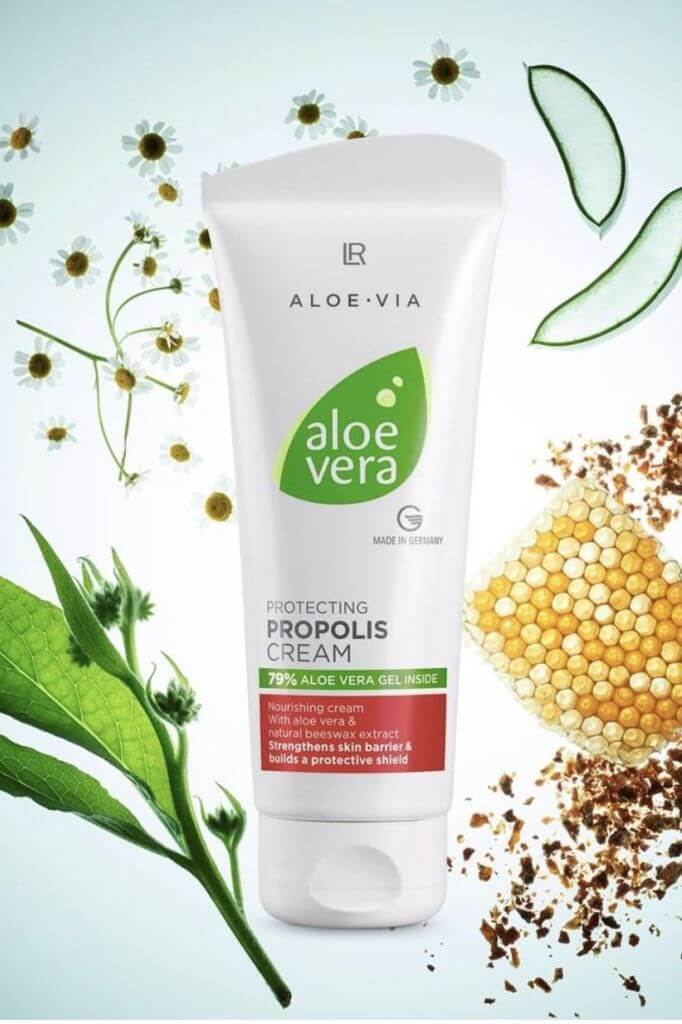 When applied, the cream penetrates the skin, providing instant hydration while also creating a protective barrier against moisture loss. The anti-inflammatory properties of Aloe Vera help to alleviate puffiness and reduce the appearance of dark circles, making the eyes look brighter and more awake. Regular use can lead to significant improvements in skin texture and firmness, enhancing the overall appearance.
Ingredient
Benefit
Skin Type Suitability
Aloe Vera Gel
Hydrates and soothes the skin
All skin types
Vitamin C
Brightens skin and reduces dark spots
Oily and combination skin
Hyaluronic Acid
Retains moisture and plumps skin
Dry and dehydrated skin
Niacinamide
Improves skin barrier and evens skin tone
All skin types
Green Tea Extract
Rich in antioxidants that protect skin
Sensitive and mature skin
Tea Tree Oil
Helps reduce acne and inflammation
Oily and acne-prone skin


