
Notice: Undefined offset: 0 in /home/a1188469/domains/yevent.org/public_html/wp-content/themes/yevent/template-parts/content-post.php on line 41
Notice: Undefined index: open_map_option in /home/a1188469/domains/yevent.org/public_html/wp-content/plugins/yamaps/yamap.php on line 199
Notice: Undefined index: authorlink_map_option in /home/a1188469/domains/yevent.org/public_html/wp-content/plugins/yamaps/yamap.php on line 251
 Can aloe vera shampoo help with dandruff?
Yes, aloe vera shampoo can help with dandruff due to its anti-inflammatory and soothing properties. By calming an irritated scalp, aloe vera can reduce flakiness and discomfort associated with dandruff. Regular use of aloe vera shampoo can promote a healthier scalp and contribute to overall hair health.
 Another benefit is the convenience that subscription plans provide. Rather than worrying about running out of your favorite Aloe Vera product, subscriptions ensure that deliveries arrive at your doorstep at your chosen frequency, whether it’s monthly, bi-monthly, or quarterly. This eliminates the hassle of remembering to reorder and allows individuals to focus on their health goals without interruption. Convenience is particularly valuable for busy professionals or families managing multiple schedules.
For optimal results, consider using aloe vera shampoo regularly, ideally at least two to three times a week. This consistent use will help ensure that mineral buildup is effectively removed, while also nourishing your hair and scalp. Additionally, incorporating other aloe vera-based products, such as leave-in conditioners or hair masks, can further enhance your hair care routine.
Are there any side effects associated with Aloe Vera Cleansing Milk?
Most users experience no adverse effects when using Aloe Vera Cleansing Milk, particularly if they choose products with natural ingredients. However, individuals with specific allergies should always check the ingredient list to avoid potential reactions.
How to Use Aloe Vera Cleansing Milk Effectively
Using Aloe Vera Cleansing Milk is a straightforward process that can easily fit into your daily skincare routine. To begin, start with dry skin and dispense a small amount of cleansing milk onto your fingertips or a cotton pad. Gently massage the milk onto your face in circular motions, focusing on areas with heavier makeup. This technique helps to break down the makeup and allows the cleansing milk to penetrate deeper into the skin.
Another critical factor is the specific skin conditions or sensitivities your baby may have. For more details, baby lotion, which may be helpful. If your infant has a history of diaper rash or skin reactions, it may be wise to consult with a pediatrician before choosing a product. They can provide personalized recommendations based on your baby’s unique skin needs.
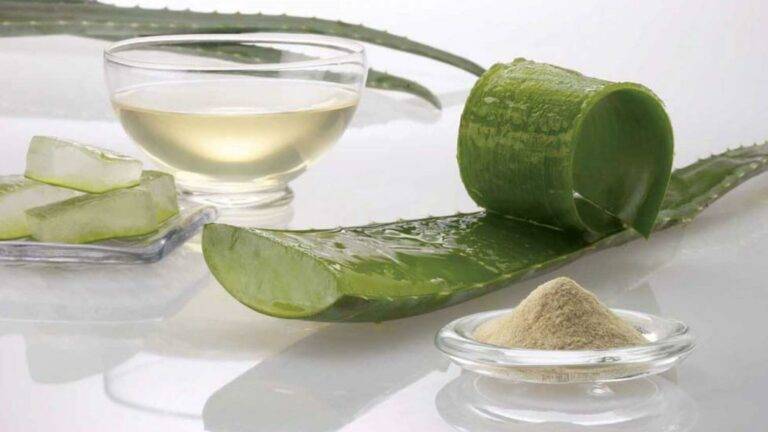 This table outlines several brands offering Aloe Vera drinking gel subscription plans, showcasing the variety of flavors available and the discounts each plan provides. By comparing options, consumers can make informed decisions about which subscription best suits their needs and preferences.
In today’s health-conscious world, more individuals are seeking natural products that promote overall wellness. One such product that has gained popularity is Aloe Vera drinking gel, known for its numerous benefits, including aiding digestion, boosting hydration, and enhancing skin health. However, many consumers find it challenging to maintain a consistent supply of quality Aloe Vera gel at home. To address this issue, many brands now offer subscription plans that not only ensure a steady supply of this beneficial product but also provide significant discounts to subscribers.
This table highlights the significant differences between Aloe Vera Cleansing Milk and traditional makeup removers. As evident, Aloe Vera Cleansing Milk excels in gentleness, hydration, and overall skin health, making it a superior choice for many users.
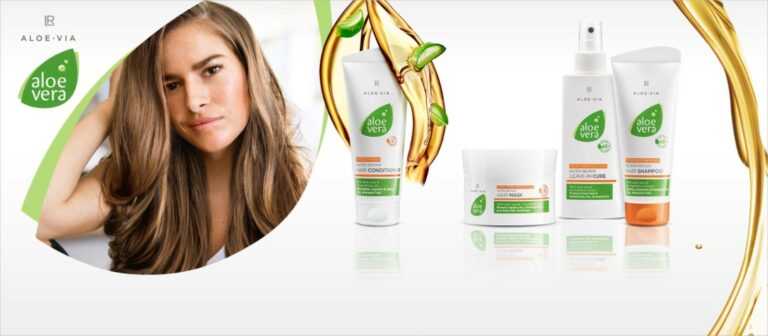 It’s also vital to choose a shampoo that is free from harsh chemicals, such as sulfates and parabens, which can strip hair of its natural oils. Opting for a gentle, natural formulation will help ensure that your hair remains healthy and vibrant while effectively addressing the challenges posed by hard water.
Despite its benefits, some parents may have concerns regarding the use of zinc oxide in diaper creams. While generally safe, excessive use can lead to skin drying or an altered skin barrier. Therefore, it is crucial for parents to use these products as directed and consult with healthcare professionals if they notice any adverse reactions in their babies.
Frequently Asked Questions
Is aloe vera effective for all skin types?
Aloe vera is generally safe for most skin types, including sensitive skin. However, it’s always advisable to perform a patch test before using it extensively, as some individuals may have allergic reactions.
Consumers should also consider the product’s application method. Spray formulations can be convenient and allow for even distribution, but it is essential to apply them generously and reapply every two hours, especially after swimming or sweating. Some brands offer continuous spray bottles that make it easy to cover large areas quickly, which is particularly beneficial for active individuals.
 As we journey through life, the quest for youthful, vibrant skin seems to become increasingly important. With a growing awareness of the effects of aging, many individuals are searching for effective, natural solutions to maintain their skin’s health and appearance. Among the plethora of options available, one ingredient has stood out over the years: aloe vera. This remarkable plant, cherished for its soothing properties, has recently gained attention for its potential anti-aging benefits. But what does science say about using aloe vera for skin rejuvenation?