

Notice: Undefined offset: 0 in /home/a1188469/domains/yevent.org/public_html/wp-content/themes/yevent/template-parts/content-post.php on line 41
Notice: Undefined index: open_map_option in /home/a1188469/domains/yevent.org/public_html/wp-content/plugins/yamaps/yamap.php on line 199
Notice: Undefined index: authorlink_map_option in /home/a1188469/domains/yevent.org/public_html/wp-content/plugins/yamaps/yamap.php on line 251
Can I drink aloe vera juice every day?
Yes, many people enjoy aloe vera juice daily for its numerous health benefits. However, it’s important to start with small amounts and gradually increase to avoid gastrointestinal discomfort. Always choose high-quality products to ensure safety and efficacy.
Moreover, aloe vera contains polysaccharides, which can help soothe inflammation in the gut. This anti-inflammatory property is crucial after consuming foods that can irritate the stomach lining, such as hot peppers. By reducing inflammation, aloe vera helps to calm the digestive system, allowing it to function more effectively and efficiently.
Another common misconception is that all aloe vera products are the same. Some people may think that a product labeled as «aloe vera» contains the same active compounds as pure aloe vera gel. However, many commercial products contain additives and fillers that can compromise their effectiveness. Always check the ingredient list to ensure you are getting a high-quality product with minimal additives.
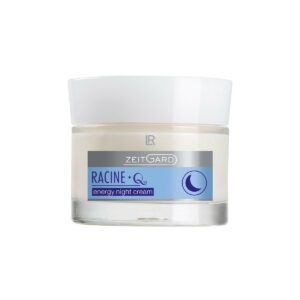 Additionally, many believe that aloe vera can be stored indefinitely. This is far from the truth, as even the best products have a limited shelf life. Understanding the shelf life of your products and proper storage techniques is crucial to enjoying the full benefits of aloe vera skincare.
 Frequently Asked Questions
What skin issues can Aloe Vera First Aid Spray help with?
An Aloe Vera First Aid Spray is effective for a variety of skin issues including sunburns, insect bites, minor cuts, scrapes, and general skin irritation. Its soothing properties help alleviate discomfort and promote healing.
Potential Side Effects and Considerations
While aloe vera drinks offer numerous benefits, it’s essential to be aware of potential side effects. Some individuals may experience gastrointestinal discomfort, such as cramping or diarrhea, especially when consuming excessive amounts of aloe vera. It’s advisable to start with small quantities to see how your body reacts before increasing your intake.
Another red flag to watch for is an off-putting smell. Fresh aloe vera has a mild scent; however, if your product has developed a rancid or sour odor, it is likely no longer safe to use. Finally, always check the expiration date on the packaging. Even if a product appears fine, it may still be past its shelf life, especially if it lacks preservatives.
While aloe vera skincare products offer numerous benefits, it is essential to weigh the pros and cons. The natural ingredients and moisturizing benefits are significant advantages; however, the short shelf life and potential for contamination must be considered. By understanding these factors, consumers can make informed decisions and enjoy the full benefits of aloe vera skincare.
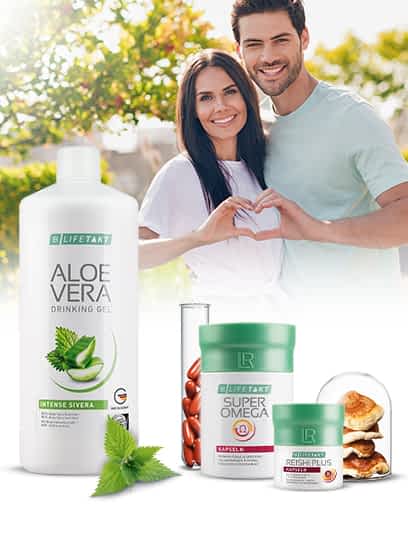 Another frequent concern is insect bites. For more details, rich hand cream, which may be helpful. Mosquitoes, ticks, and other insects can leave itchy welts that can become quite bothersome. Aloe Vera’s anti-inflammatory properties help reduce itching and swelling, offering a natural alternative to chemical-laden repellents and treatments. Applying the spray immediately after a bite can mitigate discomfort and prevent further irritation.
Best Practices for Storing Aloe Vera Skincare
To maximize the shelf life of your aloe vera skincare products, adhere to the following best practices. First, keep your products in a cool, dark place, preferably in the refrigerator if possible. This environment helps maintain the integrity of the active compounds in aloe vera. Second, always ensure that the containers are tightly sealed to minimize exposure to air and moisture.
For optimal results, it is recommended to use the moisturizer at least 15-30 minutes before sun exposure to allow the ingredients to absorb effectively. Reapplication is equally important; for those spending time outdoors, reapply every two hours, or more frequently if sweating or swimming. Don’t forget to apply the moisturizer to often-overlooked areas such as the neck, ears, and the back of the hands, which are also susceptible to sun damage.
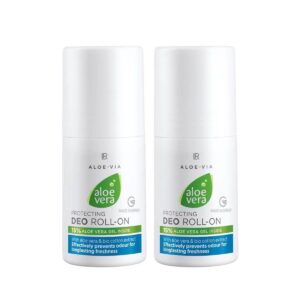 Moreover, the natural origin of aloe vera means that its active compounds can degrade over time. This is why proper storage is essential. When stored correctly, aloe vera can remain effective for months, allowing you to reap its benefits without worrying about its potency. In the following sections, we will delve deeper into the best storage practices for your aloe vera skincare products.
It is also wise to consider the packaging and delivery method. A spray bottle that offers a fine mist can enhance the application experience, making it easier to cover larger areas without wasting product. Furthermore, opt for a bottle that is made from durable, lightweight materials, ensuring that it can withstand the rigors of outdoor activities.
When examining the pros and cons of Aloe Vera SPF moisturizers, it is clear that the benefits often outweigh the drawbacks. While some individuals may have sensitivities to Aloe Vera, the majority find that these products provide essential hydration and sun protection without exacerbating acne. As with any skincare product, it is vital to choose quality formulations and to consider personal skin sensitivities when making selections.


