
Notice: Undefined offset: 0 in /home/a1188469/domains/yevent.org/public_html/wp-content/themes/yevent/template-parts/content-post.php on line 41
Notice: Undefined index: open_map_option in /home/a1188469/domains/yevent.org/public_html/wp-content/plugins/yamaps/yamap.php on line 199
Notice: Undefined index: authorlink_map_option in /home/a1188469/domains/yevent.org/public_html/wp-content/plugins/yamaps/yamap.php on line 251
 ABSTRACT
The following study proposes an in-depth analysis of the new methods and advancements in the field of drain unblocking. The primary focus is on identifying the most effective, sustainable, and modern approaches geared towards efficient drainage systems maintenance and management.
INTRODUCTION
Drain unblocking has always been an essential part of maintaining a sound infrastructure in industries, households, and municipalities. Historically, drain clearance was a labor-intensive activity involving mechanical tools such as plumber’s snakes and hand augers. The advancement in technology has led to the development of novel drain unblocking strategies that streamline the process while ensuring efficacy and cleanliness.
TECHNOLOGICAL ADVANCEMENTS
- Water Jetting: High-pressure water jetting is a contemporary method used in drain unblocking. It involves blasting water at high speed into the drain to clear blockages. The effectiveness of this method lies in its ability to break apart stubborn blockages without damaging the pipes. Water jetting is also environmentally friendly, as there is no need for harmful chemicals.
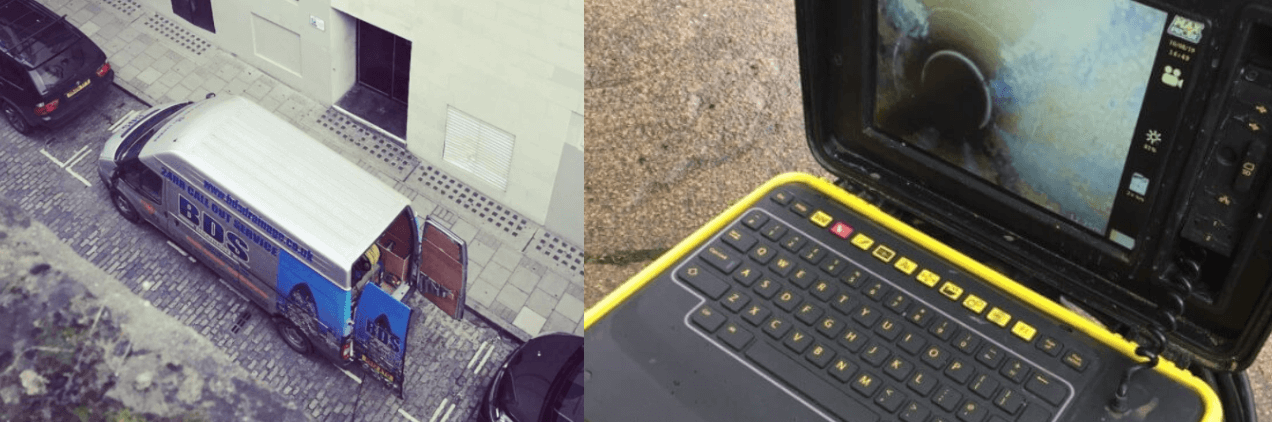
- CCTV Drain Surveys: This technology allows professionals to inspect and ascertain the exact problems that impede drainage systems without undertaking disruptive excavation procedures. By using a remotely controlled camera unit, blockages and damages are easily identified, making the whole process less time-consuming.
- Drainage Vacuums: This is a relatively new concept where drain unblocking services utilize industrial-strength vacuum units. These systems are capable of removing large amounts of debris, sediments, and waste, thereby keeping the drainage system functioning optimally.
ENVIRONMENTAL IMPACT AND SUSTAINABILITY
The implementation of eco-friendly drain unblocking methods signifies the sector’s thrust towards sustainable practices. By avoiding harsh chemicals, these new methods curtail the harmful environmental impact of traditional methods. The high-pressure water jetting, for instance, uses water—a resource that can be reused and does not contribute to harmful ecological alterations.
Also, the adoption of cctv drain survey kingston technology substantially reduces the need for large-scale excavations, limiting soil disruption and the consequent impact on the ecosystem.
PERFORMANCE AND EFFICIENCY
The aforementioned technological innovations have significantly enhanced the effectiveness and efficiency of drain unblocking. They enable quicker diagnoses and less intrusive solutions. Moreover, they lead to long-term effectiveness, as they proactively identify potential problem areas that may require attention after some time.
CONCLUSION
In conclusion, the new work on drain unblocking has transformed an erstwhile labor-intensive, messy responsibility into an efficient, streamlined process. The integration of high-powered water jets, CCTV technology, and drainage vacuums has not only improved the process but has also reduced environmental impact. Therefore, it is evident that smart innovation in this field is crucial to ensure efficient and sustainable drainage management in the future. Continued research and development in this sector will further enhance system performance and minimize ecological impact. As society continues to advance, it is vital that such pivotal service sectors adapt concurrently to meet the changing needs and expectations.


