

Notice: Undefined offset: 0 in /home/a1188469/domains/yevent.org/public_html/wp-content/themes/yevent/template-parts/content-post.php on line 41
Notice: Undefined index: open_map_option in /home/a1188469/domains/yevent.org/public_html/wp-content/plugins/yamaps/yamap.php on line 199
Notice: Undefined index: authorlink_map_option in /home/a1188469/domains/yevent.org/public_html/wp-content/plugins/yamaps/yamap.php on line 251
The most common cause of blocked drains is when foreign objects or materials like food waste, hair, soap, grease, or tissues are flushed down the drain. Over time, these can accumulate, obstructing the flowing water and causing the drain to block. Prolonged blockage not only disrupts the day-to-day running of the house, but can also cause unpleasant smells and even lead to significant health hazards due to the accumulation of harmful bacteria.
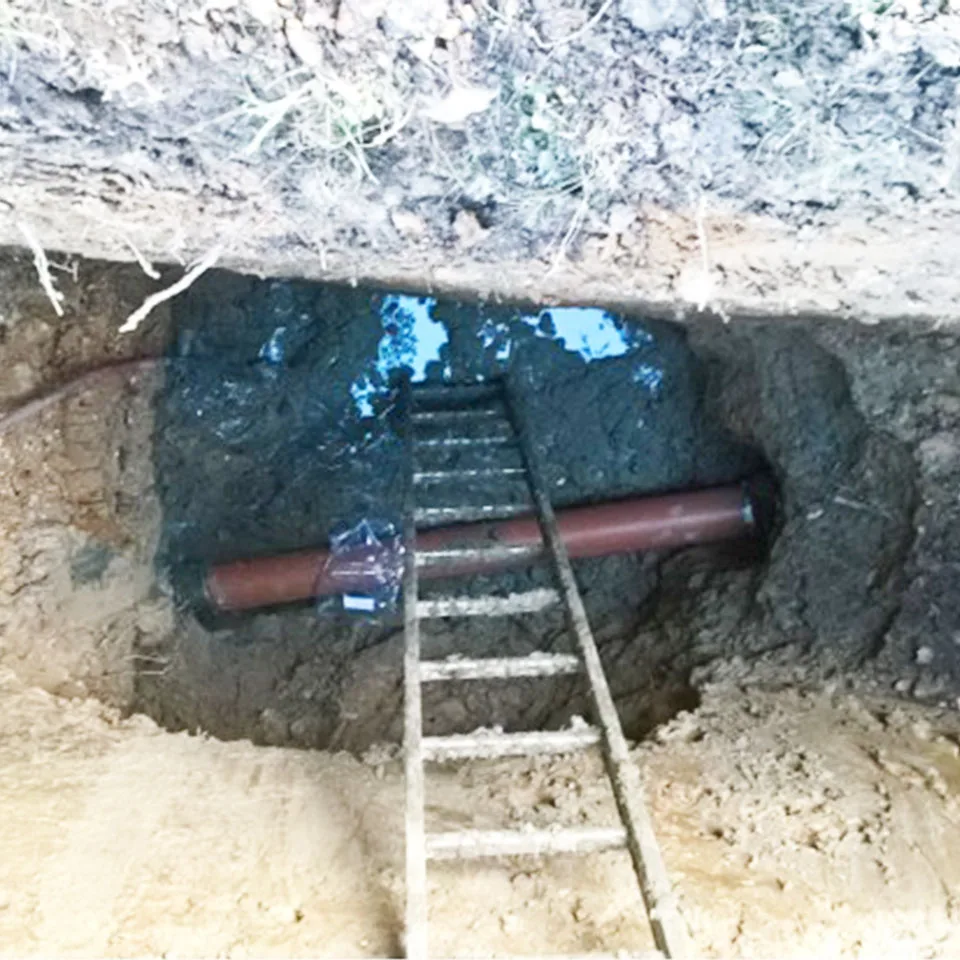 In addition, blocked drains can hinder the rapid flow of water, leading to water pooling around the drain. This water can permeate the surrounding areas, leading to water damage and mould buildup, prompting further repair needs. Our observations have found a strong correlation between blocked drains and damp-related issues in housing structures, particularly in homes with poor ventilation or inadequate waterproofing measures.
A common misconception among homeowners is to dismiss the importance of blocked drain repair, viewing them as merely inconvenient instead of potentially catastrophic. In reality, neglecting blocked drains can lead to a buildup of pressure within your plumbing system, which can cause pipes to burst if not attended to promptly. The explosion of a pipeline due to massive pressure is, unfortunately, an event we’ve had to examine more times than preferred.
The financial implications of neglecting a blocked drain can be significant. Our investigation noted that on average, homeowners who delayed attention towards their blocked drains ended up paying double or triple the cost they would’ve incurred had they preemptively engaged in regular drain cleanings or instant repair. These figures don’t even account for the potential decrease in property value associated with severe plumbing issues.
We’ve also observed the environmental impact of blocked drains. Substances like chemical products, grease, or oils that are flushed down the drains can cause harm if they enter the ecosystem, leading to issues such as water pollution. Worryingly, such instances are notably increasing. A trend spotted in large urban areas is the frequency of blocked drains being directly proportional to the level of contamination in nearby water bodies.
Our observation in this study underlines the gravity of blocked drain issues and their potential implications on our homes, wallets, and the environment. It is high time that we rethink how we cater to our drainage systems.
We propose regular maintenance of cctv drain survey fareham systems as a preventative approach to combatting such blockages. This includes the disposal of foreign objects responsibly, educating households about what can and can’t go down the drains, and promptly addressing any minor blockages before they escalate.
Hierarchically, within the maintenance aspect, the need for professional plumbers cannot be overstated. Their expertise in the field ensures any chances of blockages or ensuing damages are curtailed at the roots.
Blocked drains are not an issue to be taken lightly. Reflections on our observations should offer the required incentive to take relevant action today for a safe, cost-effective, and environmentally-conscious tomorrow. By giving the often-neglected plumbing system due attention, we would not only be shielding our homes from destruction but also contributing positively to environmental sustainability.


