

Notice: Undefined offset: 0 in /home/a1188469/domains/yevent.org/public_html/wp-content/themes/yevent/template-parts/content-post.php on line 41
Notice: Undefined index: open_map_option in /home/a1188469/domains/yevent.org/public_html/wp-content/plugins/yamaps/yamap.php on line 199
Notice: Undefined index: authorlink_map_option in /home/a1188469/domains/yevent.org/public_html/wp-content/plugins/yamaps/yamap.php on line 251
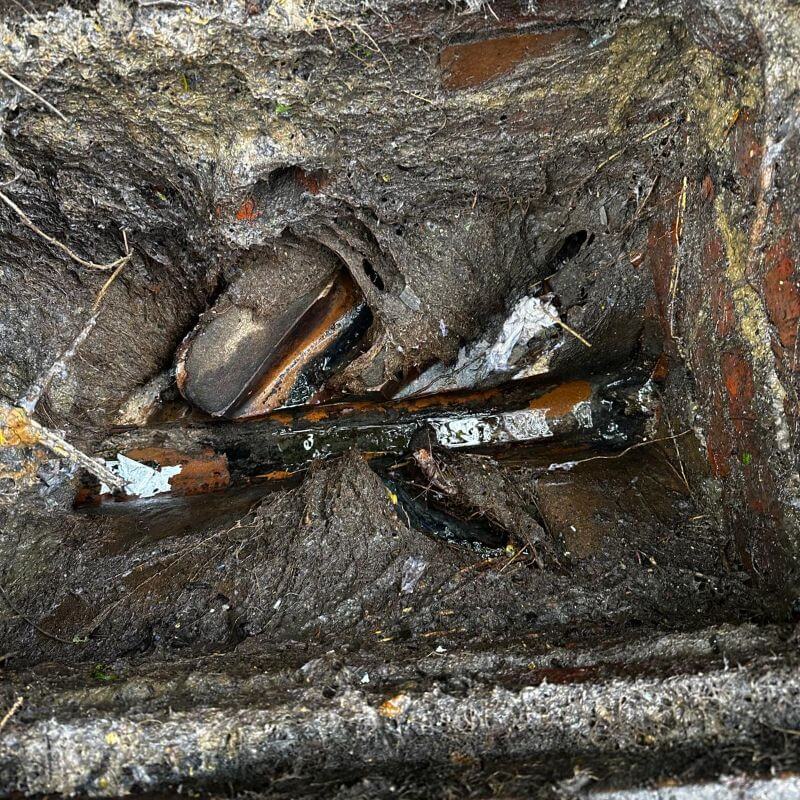 At the outset, it is crucial for every homeowner to understand the common causes of blocked drains. Observational studies have revealed that in kitchens, food debris, grease, and fat are the primary culprits. On the other hand, bathrooms usually suffer from cumulative deposits of hairstyle products, soap scum, hair strands, and other cosmetic product residues. Bizarrely, even toys often end up down the drain, thanks to the infamous toddler curiosity.
In outdoor settings, leaves, tree roots and garden debris are primarily to blame for the blockages, while industrial drains get clogged due to sediment build-up, heavy waste, and sometimes even concrete. Regardless of what causes the blockages, the results are generally the same; disruption of the regular water flow, foul smells, potential health risks, and possible structural damage.
Observations also tell us that a blockage doesn’t happen overnight. Indications such as slow water drainage, gurgling noises from the drains, or an unpleasant odor are early warning signs that must not be overlooked. If promptly attended, these minor problems can save a lot from your pocket.
Interestingly, professional plumbers have observed that almost 80 percent of blocked drains horsham drain issues can be tackled without serious interventions. Simple acts like cleaning the drain stoppers in bathrooms regularly or introducing a kitchen sink strainer can drastically minimize organic build-up. Alternatively, conventional remedies like a plunger or a plumber’s snake can help clear minor blockages without the need for professional help.
However, when the blockage becomes severe enough to resist these efforts, professional intervention becomes imperative. Modern plumbing professionals utilize sophisticated methods to diagnose and fix blocked drains, including high pressure water jets, drain snakes, or even closed-circuit television (CCTV). These methods not only help in identifying the exact cause of the blockage but also enable the plumber to determine the most appropriate solution.
Interestingly, technology has paved the way for another highly effective solution to severe blockages — trenchless pipe repair. This method, observed to be gaining popularity, allows the repair of the problematic pipe without digging, thus reducing inconvenience and saving time.
Unfortunately, even after detailed discussions and professional solutions, blocked drains remain a reality for many. Strikingly, observation during this research led to several questions. One of them being, why do homeowners ignore blocked drains till the problem escalates? Is it due to lack of awareness, negligence, or inability to find a trusted plumber?
In conclusion, blocked drains are a tangible outcome of our actions and negligence. Through careful observation, one ‘plumbs’ the depths of causes, remedies, and solutions, but the real solution lies in behavior modification. As we become more mindful of what goes down the drain, we pave the way for trouble-free plumbing and a world that’s slightly less blocked than yesterday.


