

Notice: Undefined offset: 0 in /home/a1188469/domains/yevent.org/public_html/wp-content/themes/yevent/template-parts/content-post.php on line 41
Notice: Undefined index: open_map_option in /home/a1188469/domains/yevent.org/public_html/wp-content/plugins/yamaps/yamap.php on line 199
Notice: Undefined index: authorlink_map_option in /home/a1188469/domains/yevent.org/public_html/wp-content/plugins/yamaps/yamap.php on line 251
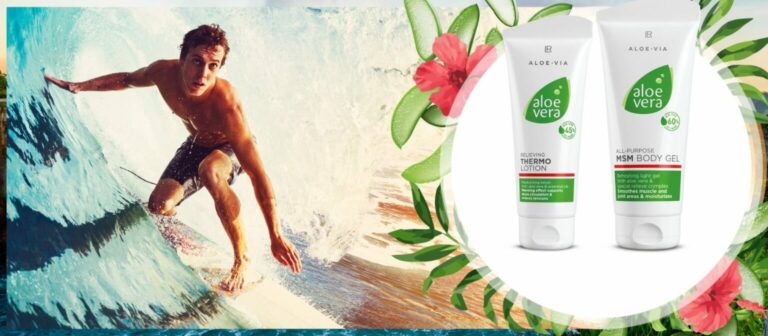 Emulsifiers are another critical component in lotions, enabling the blending of oil and water to create a smooth, stable product. Natural emulsifiers, such as beeswax or soy lecithin, are preferable for those seeking clean beauty options. These ingredients help maintain the lotion’s consistency and ensure even distribution upon application, enhancing the overall user experience. Understanding these additives can help consumers make informed choices about the products they apply to their skin.
 Conclusion
In summary, the exploration of aloe vera as a potential replacement for regular toothpaste reveals a complex landscape of benefits and limitations. For more details, aloe vera gel for dry skin, which may be helpful. Its natural ingredients, healing properties, and antibacterial effects make it an appealing option for those seeking a more holistic approach to oral care. However, the absence of fluoride and potential texture preferences are important factors to consider. As the demand for natural products continues to rise, aloe vera stands out as a compelling alternative worth considering. Ultimately, individuals should assess their unique dental health needs and preferences, weighing the pros against the cons before making a decision. By doing so, they can take informed steps towards enhancing their oral hygiene routine.
 Research has shown that aloe vera possesses antimicrobial properties that can help combat harmful bacteria in the mouth. By inhibiting the growth of bacteria associated with gum disease and dental plaque, aloe vera may contribute to better oral hygiene. Additionally, its anti-inflammatory characteristics can soothe irritated gums and promote healing. Many people looking for a natural way to maintain their oral health find these properties appealing, as they align with the trend towards avoiding harsh chemicals found in conventional toothpaste.
In addition to its healing properties, aloe vera is beloved for its lightweight texture, which allows it to absorb quickly without leaving a greasy residue. This quality makes it suitable for all skin types, including oily and sensitive skin. As we delve into the best aloe vera products for winter skin protection, you will discover how to harness the power of this incredible plant to keep your skin nourished and vibrant during the colder months.
The Unique Properties of Aloe Vera
Aloe Vera is often referred to as a «miracle plant» due to its unique composition, which includes vitamins, enzymes, minerals, and amino acids. This combination not only nourishes the skin but also helps to promote healing and regeneration. The high water content in Aloe Vera (up to 99%) provides intense hydration, making it a perfect moisturizer for babies whose skin can often become dry and cracked. Moreover, the presence of vitamins A, C, and E contributes to skin health by providing antioxidants that combat free radicals.
This article delves into the world of aloe vera eye creams specifically designed to address dark circles and puffiness. We will explore their benefits, key ingredients, and highlight some top products available on the market today. By understanding the potential of these creams, you can make informed decisions to enhance your skincare routine. Let’s embark on this journey to discover the best ways to revive tired eyes and restore your youthful glow.
Additionally, consider using aloe vera oil as a finishing touch to your skincare routine. This product can be applied after your regular moisturizer to seal in hydration and provide a protective layer. Aloe vera oil is lightweight and non-greasy, making it an excellent choice for winter skin care.
One of the key benefits of aloe vera is its anti-inflammatory properties. Studies have shown that aloe vera can reduce inflammation associated with various skin conditions, including eczema. When used in a baby shampoo, aloe vera can help to soothe the scalp and reduce redness and swelling. This is especially important for infants, as their skin is much more sensitive than that of adults. Incorporating aloe vera into your baby’s shampoo can therefore be a game-changer in managing their scalp health.
Conclusion
In conclusion, aloe vera eye creams represent a natural and effective solution for those looking to combat dark circles and puffiness. With their rich composition of vitamins, antioxidants, and soothing properties, these creams can significantly enhance the appearance of tired eyes. Whether you choose to purchase a ready-made cream or create your own at home, incorporating aloe vera into your skincare routine can lead to visible improvements. Remember to consider additional beneficial ingredients and proper application techniques for the best results. With consistent use, you can achieve brighter, more youthful-looking eyes that reflect your overall well-being.
How can I use Aloe Vera for diaper rash?
Aloe Vera can be applied directly to the affected area during diaper changes. Its soothing and hydrating properties help to relieve discomfort and promote healing. For best results, use pure Aloe Vera gel or a cream that lists Aloe Vera as a primary ingredient and follow up with a protective barrier cream if needed.